

Subscribe for More
Want to take back control of your brain, your emotions, and your life? Don’t miss a single insight, tip, or badass strategy. Subscribe now and join the tribe of people choosing clarity over chaos—and facts over feelings. Your future self will thank you.
Have you ever made a choice based on how you felt in the moment, only to regret it later? Maybe you ate something you knew would upset your stomach, splurged on something unnecessary, or lashed out at someone you care about. If so, you’ve experienced firsthand how living in your feelings can hijack your brain.
Your brain is wired to seek pleasure and avoid pain, which often means chasing immediate dopamine hits—those bursts of reward that make you feel good temporarily. Acting purely on feelings can feel satisfying at first, but it can also lead to consequences you didn’t anticipate.
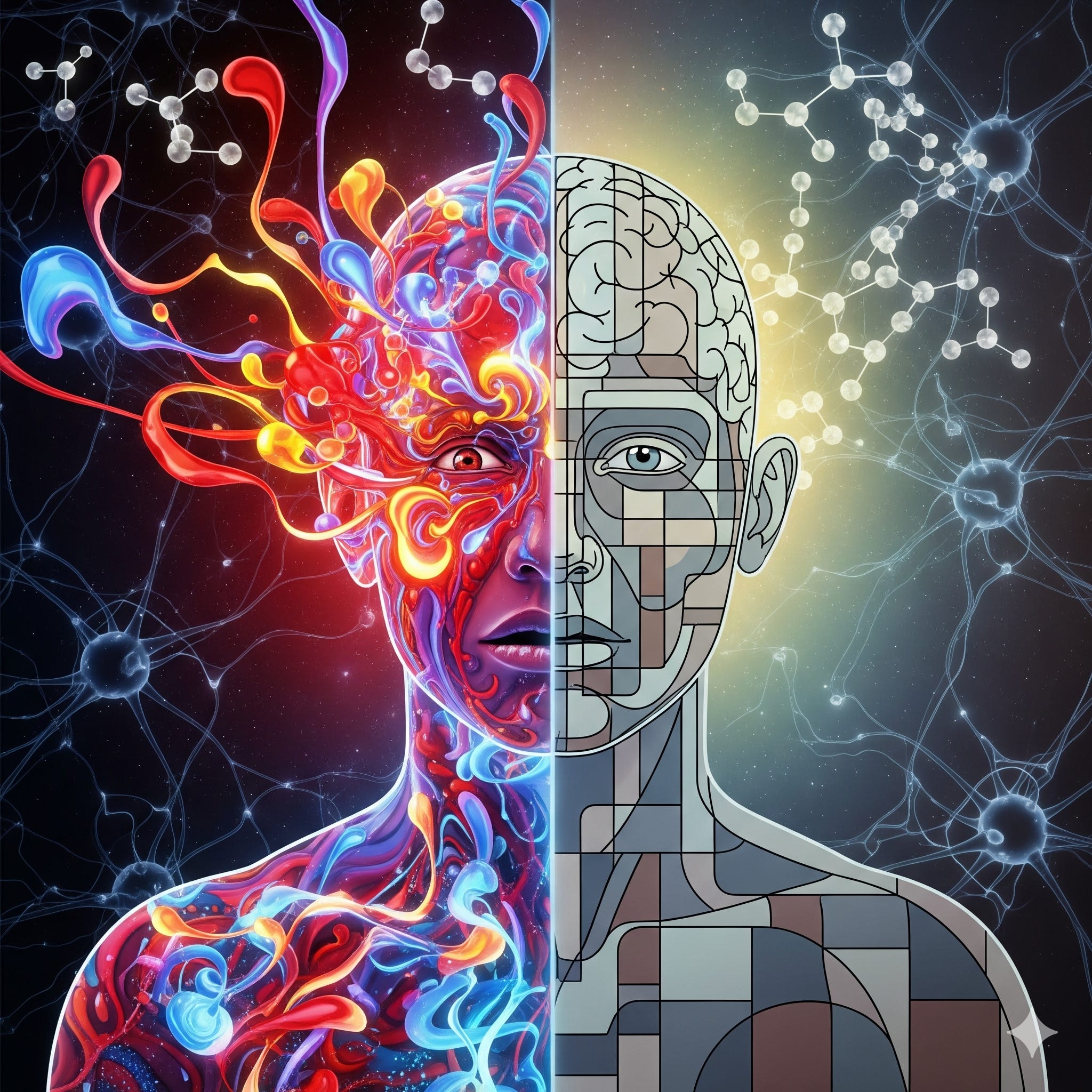
Why Acting on Feelings Alone Can Be Dangerous
Short-term thinking dominates: Emotional impulses often prioritize instant relief over long-term wellbeing.
Distorted perception: Strong emotions can cloud judgment, making you see the world more negatively, optimistically, or fearfully than it really is.
Reinforced habits: Each time you give in to a dopamine-driven impulse, your brain strengthens that behavior, making it harder to resist next time.
In other words, your brain can trick you into doing things you know you shouldn’t, just to get a temporary emotional reward.
Sound familiar? This is very similar to what happens in addiction or alcoholism. Alcoholics and addicts often chase a quick emotional fix—relief from stress, anxiety, or boredom—without thinking about long-term consequences. Their brains have been trained to seek dopamine hits at any cost, creating cycles that feel almost impossible to break.
The good news: whether it’s cravings for alcohol, binge eating, overspending, or emotional overreactions, the same principles apply to retraining your brain.
How to Retrain Your Brain and Body
Breaking the cycle isn’t easy—but it’s possible. Here’s a practical roadmap:
Pause and breathe: Even a few deep breaths create a gap between impulse and action. This allows the rational part of your brain to catch up to your emotional impulses—like giving yourself a “time out” before chasing a craving.
Label your emotions: Be specific. Instead of “I feel bad,” try “I feel anxious” or “I feel frustrated.” Naming emotions reduces their intensity and interrupts automatic reactions—just like an addict learning to recognize triggers before relapsing.
Separate fact from feeling: Ask yourself, “What is objectively true right now? What am I feeling?” Addiction teaches the brain to ignore facts in favor of feelings. Reclaiming clarity is the first step in breaking that pattern.
Delay decisions: Whenever possible, wait before acting on a strong impulse. Give the dopamine-driven urge time to pass, and make the choice from a grounded perspective.
Ground yourself in your body: Physical sensations are clues to your emotions. Noticing a racing heart or tense shoulders can help you understand what’s really happening and respond appropriately.
Practice alternative behaviors: If stress or cravings usually trigger unhealthy behaviors, replace them with healthier outlets—exercise, journaling, talking to a friend, or doing a creative activity. This is the same principle used in addiction recovery: replace destructive habits with nourishing ones.
Track patterns: Journaling daily helps you see triggers, emotional patterns, and the gap between feelings and facts. Awareness itself is a powerful tool for breaking cycles—whether of impulsive decisions or addiction.
Learning to Express Feelings Without Changing Facts
One of the hardest lessons is realizing you can feel intensely without acting as if reality changes to match your emotions. Emotions are signals—they tell you what matters to you—but they don’t dictate truth.
Feeling angry doesn’t make someone wrong.
Feeling lonely doesn’t make you invisible.
Feeling scared doesn’t mean there’s immediate danger.
By honoring emotions without letting them dictate actions, you gain control. You start making decisions based on facts informed by feelings—not the other way around. This is the same mindset that supports sobriety: responding consciously instead of reacting impulsively to cravings or emotions.
The Reward: Real Control and Freedom
Retraining your brain and body isn’t about suppressing feelings—it’s about learning to respond consciously, reducing impulsive decisions, and experiencing genuine, sustainable satisfaction. When you integrate emotions with facts, your choices become smarter, your habits healthier, and your life more intentional.
Just like recovery from addiction, it takes awareness, practice, and self-compassion—but the freedom it brings is priceless. You can stop living in your feelings, stop chasing quick fixes, and start living a life guided by clarity, purpose, and real control.
Share This Chaos
Know someone who’s living on impulse, chasing dopamine highs, or stuck in emotional loops? Share this post and help them start reclaiming control. Let’s spread awareness, wisdom, and a little bit of beautifully organized chaos—because nobody should have to navigate life purely by feelings alone.